9 hoursFree cancellation
Kyoto Amanohashidate & Ine Funaya & Ine Bay Scenic Day Trip (Departing from Osaka or Kyoto)
fromUS$51.65
See dates on Klook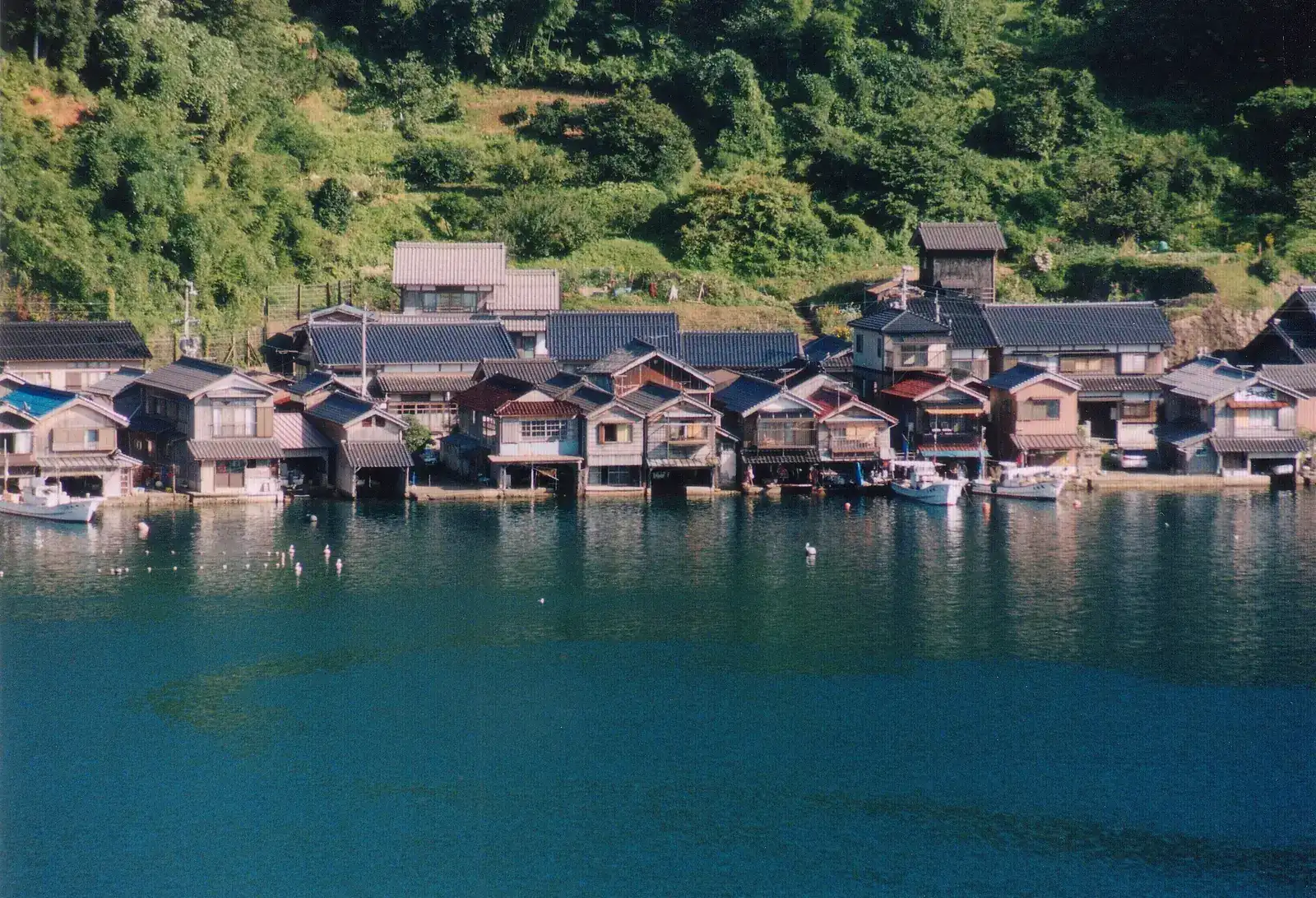

Ine Fishing Village
Photo: Google Maps| Day | Hours |
|---|---|
| Monday | 00:00–24:00 |
| Tuesday | 00:00–24:00 |
| Wednesday | 00:00–24:00 |
| Thursday | 00:00–24:00 |
| Friday | 00:00–24:00 |
| Saturday | 00:00–24:00 |
| Sunday | 00:00–24:00 |
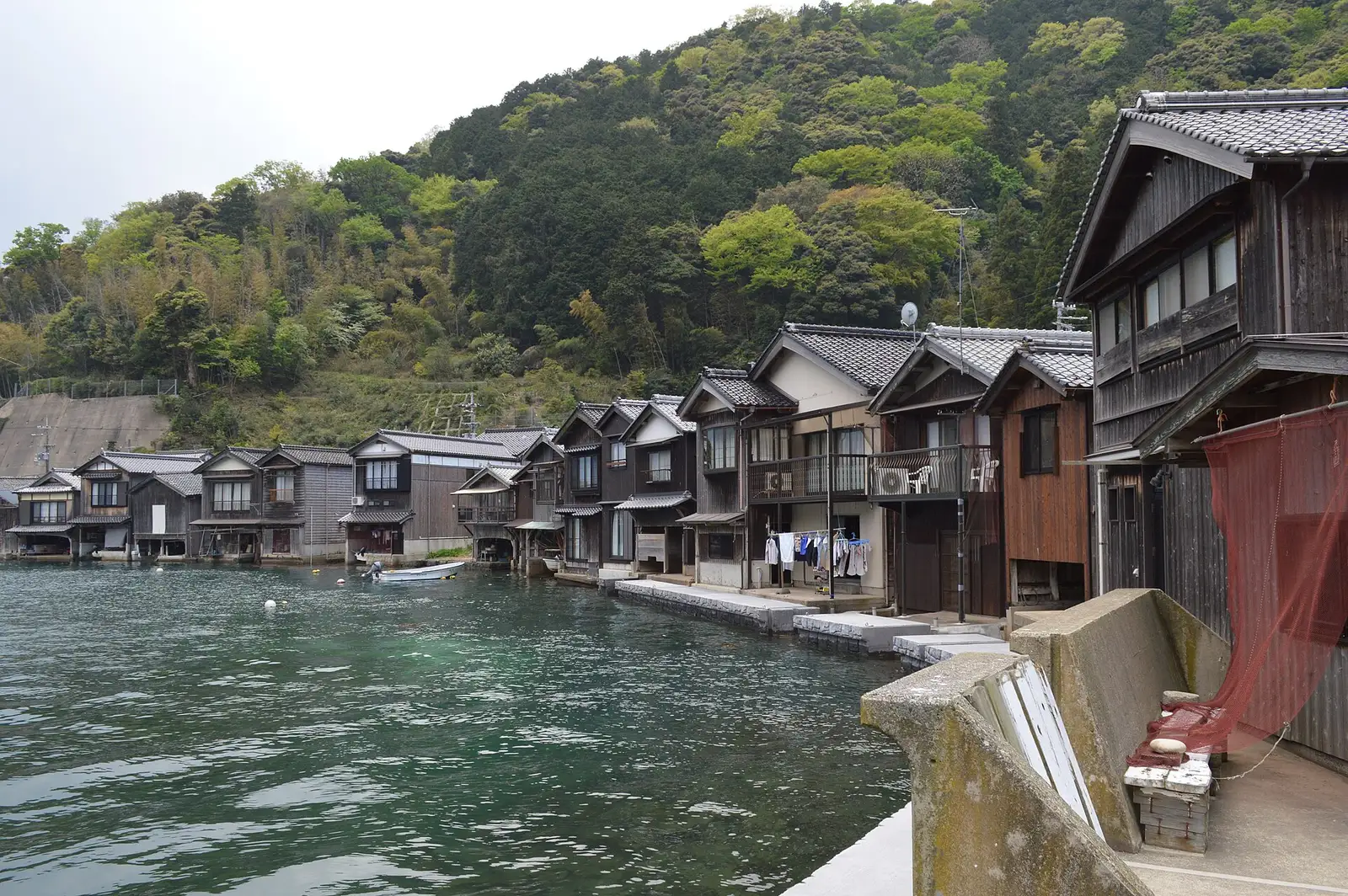
Ine’s funaya are working boathouses set right on the water, and the village around them is still lived in. About 230 of them line roughly 5 km6 of Ine’s shore.
The funaya townscape is a national Important Preservation District for Groups of Traditional Buildings6. The oldest remaining boathouse was built in 1863, and you can enter it only with a guide7.
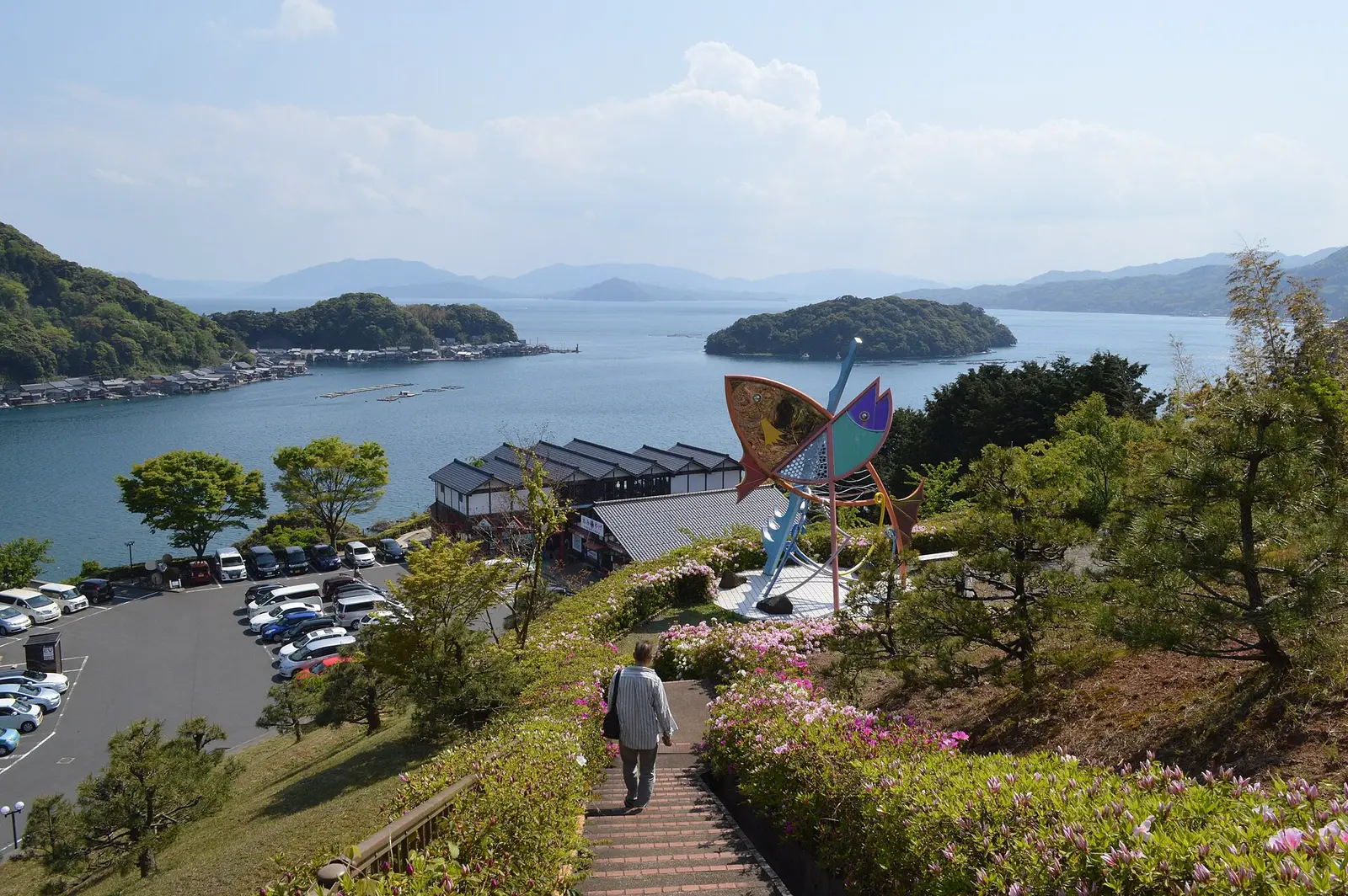
Ine is a seaside village in the Kyoto by the Sea area of northern Kyoto Prefecture. Google Maps puts Ine Fishing Village at Hirata, Ine, Yoza District, Kyoto 626-0423 and lists it as open Mon–Sun 00:00–24:008, so in practice your day runs on the bus and boat times.
Take the Tankai bus from Amanohashidate Station: the ride takes about 502 to 60 minutes3 and costs ¥4004 (about US$3) (checked October 2026) one-way. Amanohashidate’s official tourism site encourages visitors to take the bus to Ine.
Express trains take about 2 hours from Kyoto; the bus takes about 2 hours 20 minutes.
Buses toward Ine leave Amanohashidate Station from 7:26 to 19:31. Some run only on weekdays and some only on holidays.
The ride from Amanohashidate takes about 60 minutes. The cruise pier is right in front of the stop.
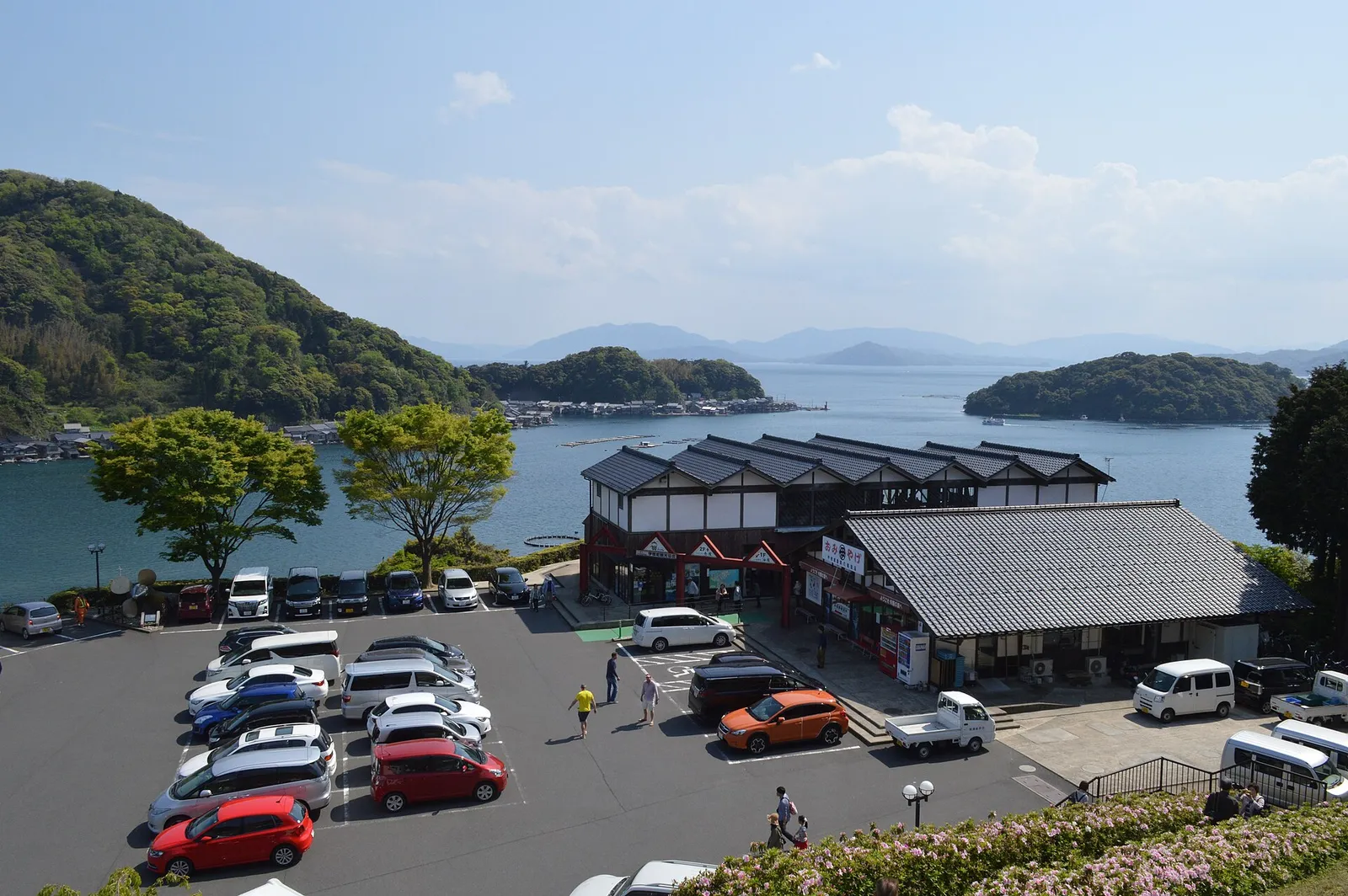
Walk the lanes, take the sightseeing boat from the pier, or board a sea taxi near the Shichimenyama Parking Lot.
If you’re staying in Miyazu, the city sits at the base of the Tango Peninsula and faces Wakasa Bay of the Sea of Japan9. The Ine inn Funayado Ichi says the local Tango Kairiku Kotsu bus from Amanohashidate or Miyazu Station takes about an hour10.
For the train and bus legs before that, see transport from Kyoto to Miyazu and Monju.
By car, Ine is about 2 hours from Kyoto city and 2.5 hours11 from Osaka. The Funaya-no-Sato roadside station is about 25 minutes12 from the Yoza-Amanohashidate Interchange and has free parking for 1383 regular cars. Ine’s municipal parking charges are in the table below.
The boathouses open onto the bay, so a boat gives you the front view. You can pick the larger Tankai sightseeing boat or a small sea taxi.
The Ine Bay sightseeing boat (Ine-wan Meguri) leaves on the hour and half hour, from 9:00 (checked October 2026) to 16:00, and circles the bay in about 25 minutes13. Leaving the pier, it first passes Aoshima2, an uninhabited island at the mouth of Ine Bay with a whale grave. More on boarding is in the Ine Bay sightseeing boat guide.
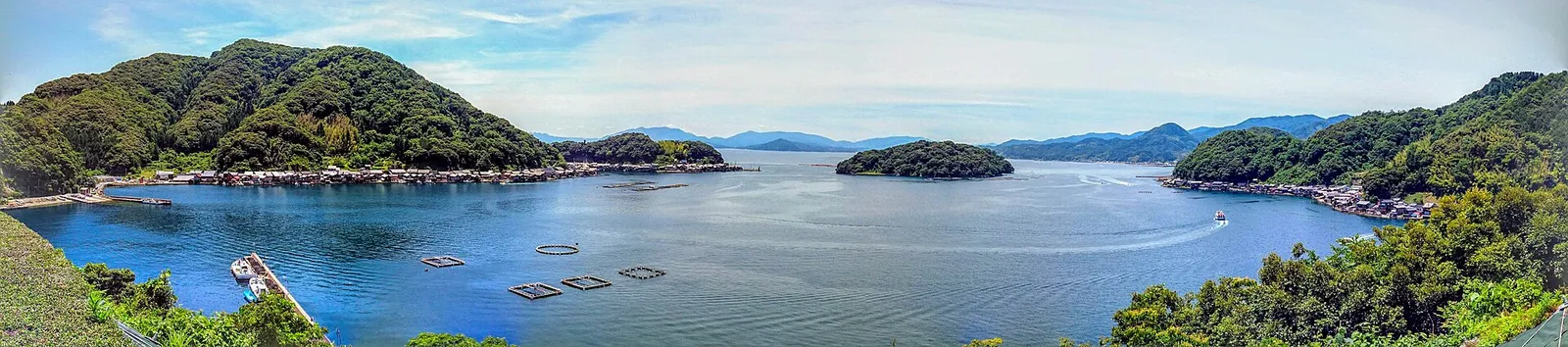
The Sea Taxi is a small boat that takes you close along the funaya. The most convenient place to board is near the Shichimenyama Parking Lot14.
The sea taxi page gives these boarding times for one of the boats it lists:
| Months | Weekdays | Weekends and holidays |
|---|---|---|
| November–March15 | 9:00–17:0015 |
9:00–11:3015 |
| April–October15 | 9:00–18:0015 |
9:00–11:3015 |
Ine’s official tourism site lists a private Ine Walking & Cruising Tour of 2 hours16. Its price includes an English-speaking guide, the sea taxi fare, the funaya entrance fee and a mondori fishing experience16.
The bus, the boats and the parking are all priced separately, so it’s worth adding them up before you go.
| Cost | Adult | Child |
|---|---|---|
| Tankai bus, Amanohashidate Station to Ine, one-way | ¥400 | – |
| Ine Bay sightseeing boat | ¥1,200 | ¥600 (ages 6–12) |
| Sea taxi | ¥1,000 | ¥500 (elementary school); preschoolers free |
| Sea taxi, Re:INE boat, weekends and holidays (from September 2026) | ¥1,500 | ¥1,000 |
| Ine municipal parking, after the first 30 free minutes | ¥100 per 30 minutes | – |
Tankai (operator); ine-kankou.jp (official); Another Kyoto (kyototourism.org) (official)
The funaya are private homes and workplaces, so you look at them from the lanes or from the water. Ine’s tourism office asks visitors to keep out of the boathouses to protect residents’ privacy.
The boats and bikes have set prices and rules for families and for visitors with a disability:
Cruises, rental bicycles and walking tours are all offered for exploring the funaya area. These stops are close by:
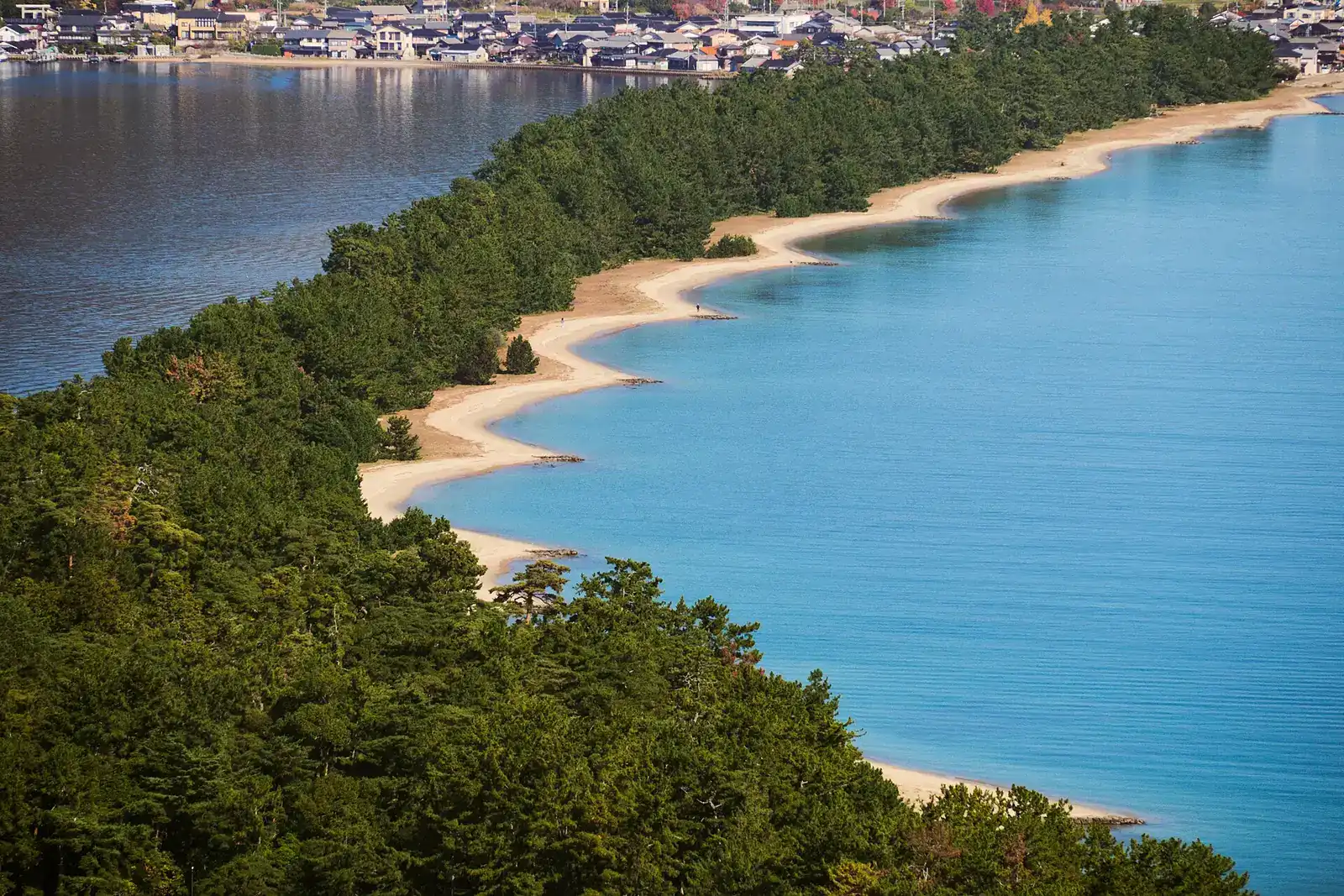
A day tour from Kyoto or Osaka saves you juggling trains, buses and boats. The Klook group trip pairs the Amanohashidate sandbar, View Land and Chion-ji Temple with Ine Funaya and an Ine Bay boat, though the base package leaves out the cable car and cruise tickets.
The WISHTRAVEL private tour goes by car with a driver (no tour guide included) and covers Chion-ji Temple admission, but not the Amanohashidate viewpoint entry.
9 hoursFree cancellation
fromUS$51.65
See dates on Klook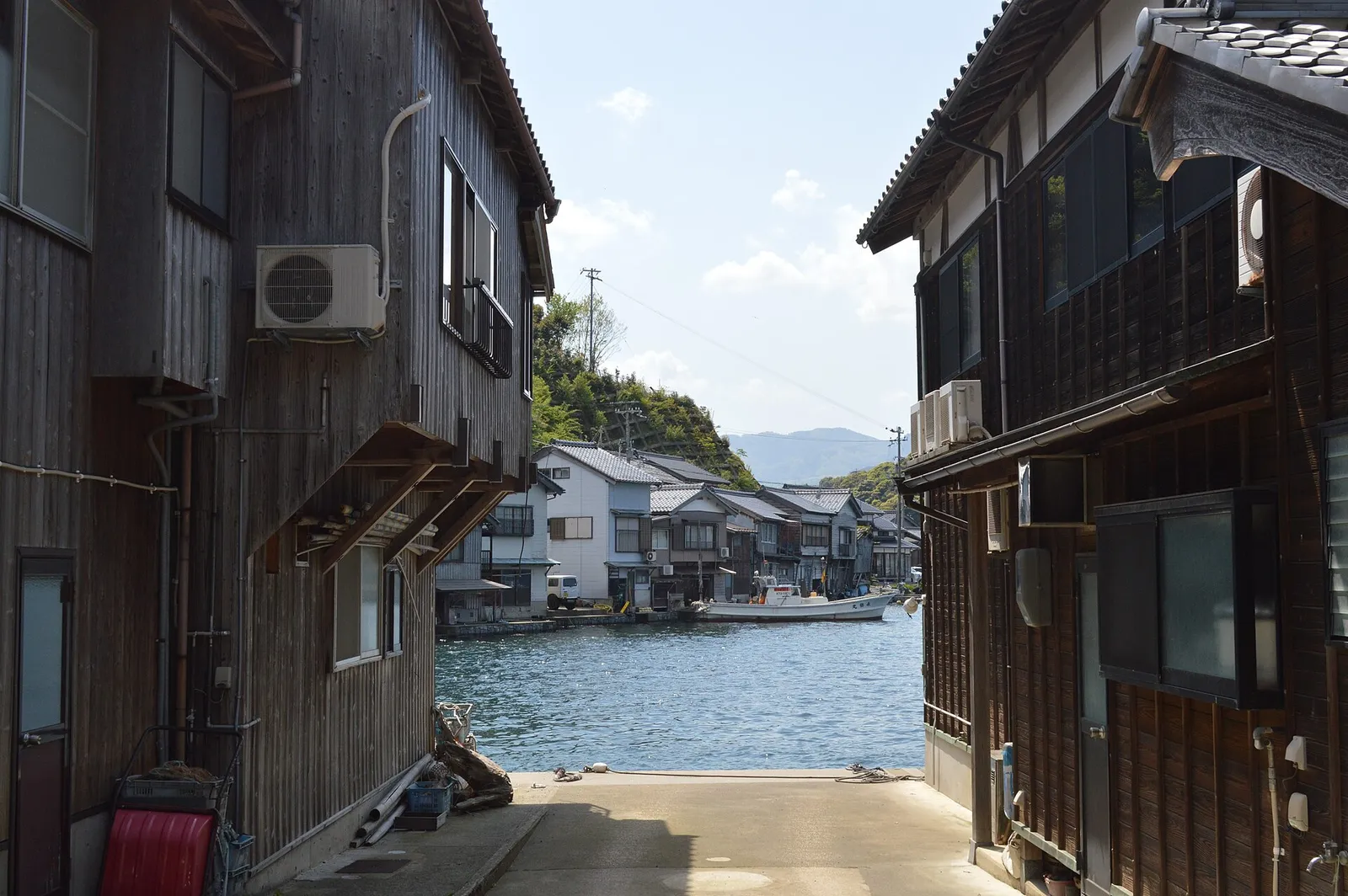
10 hoursPickup includedFree cancellation
WISHTRAVEL
fromUS$369.80
See dates on KlookBack at the sandbar, these pages cover the sights you can pair with Ine:
Funaya is the name for Ine's boathouses: about 230 of them surround the coast of Ine Bay.
The funaya townscape is a national Important Preservation District for Groups of Traditional Buildings, and the boathouses are still lived and worked in.
Photos: Wikimedia Commons. Authors and licences: image credits